Reversing is one of those everyday driving tasks that can seem simple…until you consider how limited driver visibility is around much of the vehicle.
Modern cars are packed with safety technology, yet poor rear visibility remains a challenge, particularly when manoeuvring in busy car parks, on driveways, or in tight spaces.
© Autologics
The question is whether reverse cameras genuinely make driving safer. The answer suggests they have made a difference by providing drivers with information that mirrors and windows may miss.
Research suggests although reversing cameras can reduce certain types of collisions, they’re not a replacement for careful observation. Used properly, they are best viewed as an extra tool to help drivers make safer decisions.
Why reversing can be hazardous
When moving forwards, the driver generally has a broad view of the road ahead. When reversing, parts of the vehicle itself can obstruct the view, while headrests, passengers, bodywork and the shape of the vehicle can all contribute to limited visibility.
Car blind spots can be particularly problematic. A child, cyclist, low object or another vehicle may not be immediately visible through the rear window or mirrors. Larger vehicles, SUVs and vans can create an even greater challenge because of their height and body design.
The UK's Highway Code specifically advises drivers to use all their mirrors, check the blind spot behind them and look carefully for pedestrians, cyclists, other road users and obstructions before reversing slowly.
The risks are not limited to public roads. The Health and Safety Executive states almost a quarter of workplace transport fatalities occur during reversing, while incidents also result in damage to vehicles, equipment and property.
This highlights an important point: reversing may be a routine manoeuvre, but it should never be treated as a low-risk one.
What does a reverse camera add?
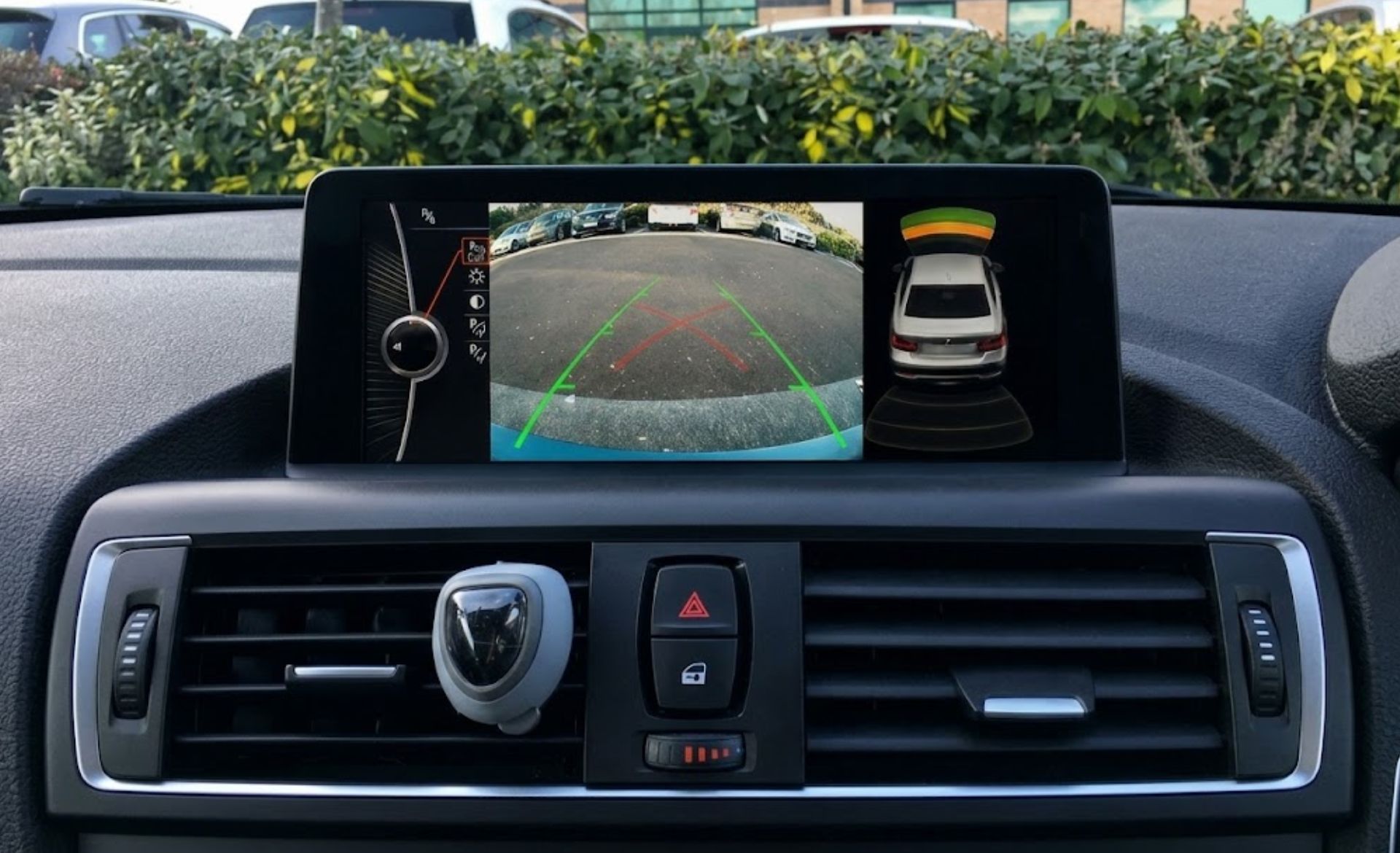
It provides a view of the area immediately behind the vehicle, displayed on a screen on the dashboard when reverse gear is selected. Instead of relying solely on mirrors or trying to look over their shoulder, the driver has a direct visual reference of what’s behind the vehicle.
This can be particularly useful for spotting low-level obstacles that might otherwise be difficult to see. It can also make it easier to judge the position of the rear bumper in relation to a wall, kerb, bollard or another vehicle.
This extra information can be helpful when reversing into a parking space, manoeuvring out of a confined driveway or navigating a packed car park. However, a reverse parking camera doesn’t eliminate blind spots, and manual checks are also recommended.
Do reverse cameras reduce reversing accidents?
One notable study, published in Accident Analysis and Prevention, examined 3,172 pedestrian injury crashes, comparing vehicles fitted with reversing cameras, parking sensors, both technologies, or neither. The data showed vehicles with a reversing camera alone had less chance of a pedestrian injury than those without any technology. There was a 41% reduction in the likelihood of a collision with a pedestrian while reversing.
Further research by Monash University in Melbourne concluded reversing cameras were associated with a reduction in fatal and serious injury crashes. The study found reversing crashes were reduced by half compared with similar size cars without cameras.
Both bodies of research concluded a camera appeared to help but wasn’t a 100% guarantee of safety.
General parking benefits
Even when there’s no immediate risk of a serious accident, a camera can make every day manoeuvring easier. Reversing into a parking space involves judging the position of the car in relation to other vehicles, lines, kerbs and obstacles. A camera can give the driver a clearer view of the rear of the vehicle and make it easier to see whether it’s positioned correctly.
The same applies when squeezing into a tight driveway or roadside space. A car parking camera can be particularly useful where rear visibility is severely limited, such as at night, or where the vehicle has a large rear overhang.
It’s generally accepted that parking assistance systems can complement a camera. Parking sensors can provide audible or visual warnings as the vehicle gets closer to an obstacle, while some modern vehicles combine cameras, sensors and other technology to provide a broader picture of the vehicle's surroundings. If you drive an older car without modern technology, studies suggest it may be worthwhile to retrofit a reverse camera to add an extra layer of safety to your driving.
Does a camera have any limitations?
Obstacles outside the camera's viewing angle may remain unseen, while it may provide more limited information about what’s happening to the sides or in front of the vehicle while reversing.
Drivers must also remember to keep the lens clean. Rain, road grime, mud, frost or condensation can affect the picture. A dirty lens isn’t as effective as one that is kept clean.
The image on the display can take some getting used to. Distances may not always appear exactly as they do when looking directly at an object, particularly depending on the camera position and screen design.
There’s also a risk of becoming too reliant on the technology. A driver who watches only the screen can miss a pedestrian approaching from the side or fail to notice something outside the camera's field of view.
The safest approach is to use everything available, using a reverse camera as part of a wider approach to parking safety that complements old–fashioned aids such as mirrors. Think of the camera as an additional pair of eyes, rather than a replacement for physically looking before setting off.
So, have reverse cameras made cars safer?
On balance, the evidence suggests they have made a positive difference, particularly when reducing the risk of certain reversing collisions by improving visibility during low-speed manoeuvres.
For vehicles without a camera, professionally fitted aftermarket car parking cameras have provided many of the same practical visibility benefits as an original-equipment system.
Ultimately, a camera gives the driver more information. When that information is combined with good observation, sensible speed and appropriate parking safety habits, it can make an everyday manoeuvre safer and easier.