Although increasingly common in newer vehicles, heated seats aren’t standard across every make and model.
If your car didn’t come with them from the factory, that doesn’t necessarily mean you have to go without them. A heated seats retrofit allows you to upgrade your car without replacing the entire interior.
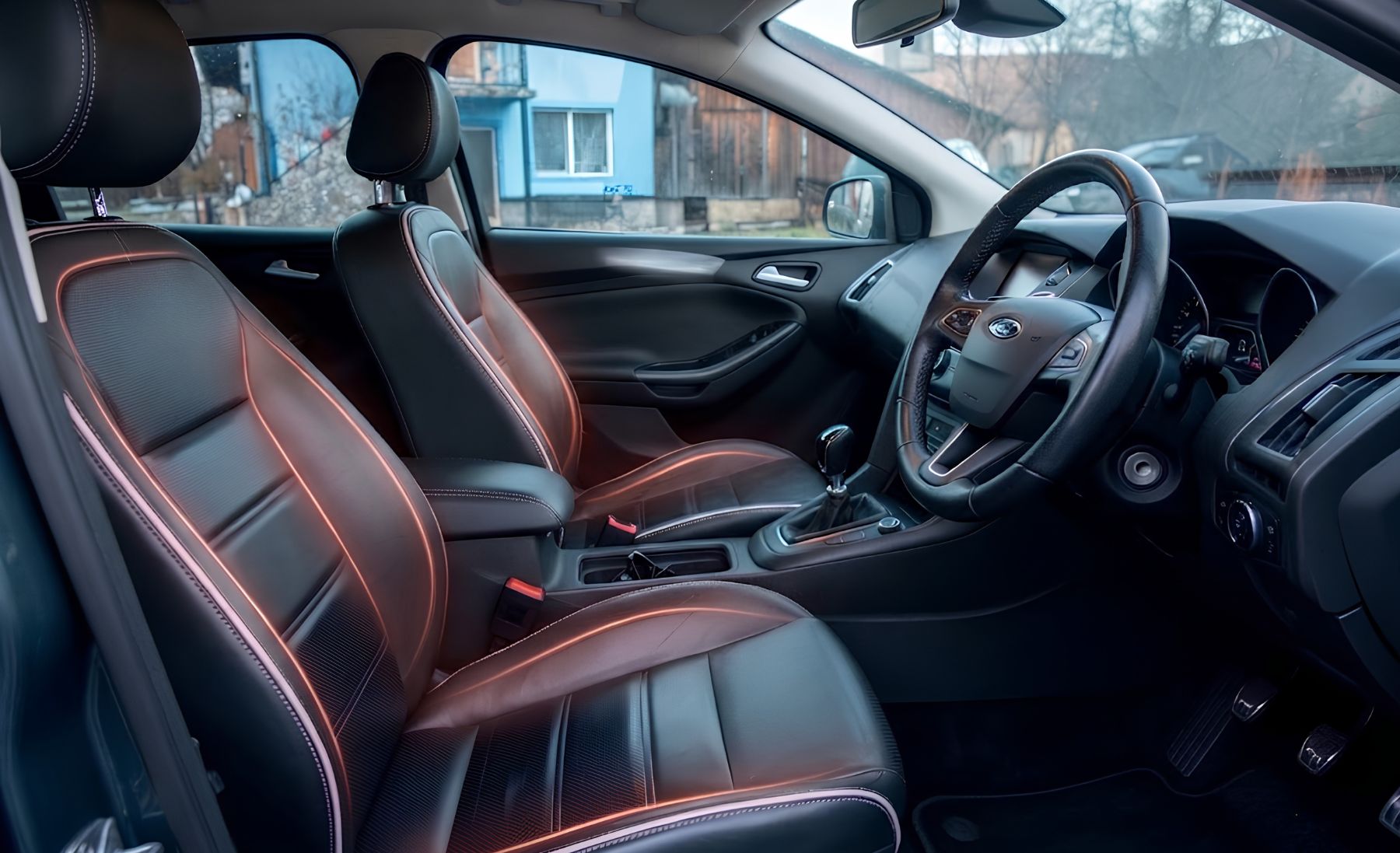
© AI
Can you add heated seats to a car?
Yes, in many cases, you can add heated seats to a car that didn't have them from the factory. Heating elements are fitted beneath the existing upholstery, usually within the seat base and, where appropriate, the backrest. Unlike a heated cover that sits on top of the seat, the elements become part of the seat itself, leaving the original exterior largely unchanged.
The type and condition of the seat need to be considered before work begins. Both fabric and leather upholstery can accommodate retrofit heating systems, although the appropriate elements and installation method can vary according to the seat design and material.
Other features should be assessed before installation rather than assuming the same approach will work across every vehicle.
What are the options for aftermarket heated seats?
A factory-style retrofit focuses on creating a finish that complements the original interior, while a more universal system may use dedicated controls in a suitable location.
The most suitable option will depend on the vehicle, available systems and the appearance you want to achieve. If keeping the cabin looking close to its original design is important, a factory-style installation may be preferable.
What does heated seat installation involve?
The process starts with assessing the existing seats and identifying where the heating elements can be positioned. The upholstery is carefully accessed so the elements can be fitted between the cover and seat padding, with wiring routed around existing seat mechanisms and other components. The electrical connections and controls are then installed.
Once everything is in place, the upholstery can be refitted and the system tested. The exact process will vary according to the vehicle and system. Care is needed where seats contain electrical or safety-related equipment.
Where can the controls be fitted?
The position of the controls depends on the system and vehicle. Dedicated switches can be placed somewhere accessible to the driver or passenger, while a factory-style installation may allow them to sit alongside existing controls.
Some vehicles may also allow integration with existing equipment, although this isn't universal. Additional modules, coding or other work may be required depending on the vehicle.
Discussing the preferred position before installation can help ensure the controls are convenient without looking out of place within the cabin.
Can heated car seats be fitted to just one seat?
You don't necessarily need to fit the system to every seat. Depending on the vehicle and system, a single seat or several seats can be equipped.
A driver may only want heating on their own seat, while another vehicle owner may prefer the same feature for both front occupants. Fitting only the driver's seat can be a practical option if that is the seat used most frequently.
Are heated seats compatible with existing seat features?
Existing seat features can affect how a retrofit needs to be approached. Electric adjustment, memory functions, airbags, occupancy sensors, lumbar systems and ventilation may all need to be considered when positioning the heating elements.
Seat construction can also vary between vehicles, with specialist or heavily bolstered seats potentially requiring a different approach.
For this reason, the individual vehicle and seats should be assessed before a system is selected, rather than assuming the same solution will suit every model.
What are the benefits of heated car seats?
The main attraction is additional warmth and comfort during colder weather. A heated seat provides warmth directly to the areas of the body in contact with the seat, rather than relying entirely on warm air circulating through the cabin.
Heated seats can also help improve thermal comfort in cold conditions, which is particularly noticeable while the cabin is still warming up.
Localised heating can also use less energy than heating the entire cabin, which may be particularly relevant to electric vehicle drivers. However, actual energy use and any potential saving will vary depending on the vehicle, heating system, outside temperature and how the vehicle is used. The experience will also vary between systems, with factors such as warm-up time, heat distribution and temperature controls affecting how the system feels in use.
What should you check before booking?
Before arranging an installation, confirm that the system is suitable for your vehicle and seat design. It's worth asking whether your existing upholstery and seat features can be accommodated, where the controls will be positioned and whether you can choose which seats are heated.
Consider how you want the finished system to look as well. If you want the controls to blend closely with the original interior, discuss this before work begins.
Finally, ask how the system is controlled and what temperature settings are available. Different systems can vary in their controls and heating characteristics, so it's worth understanding what is being fitted rather than assuming all retrofit systems work in the same way.
Is a heated seat retrofit right for your vehicle?
There isn't a single solution that will suit every vehicle. The right choice will depend on what can be fitted to your existing seats and the result you want from the upgrade. Discussing these requirements with a professional installer beforehand can help ensure the system is appropriate for your vehicle and that the finished installation meets your expectations.