Parking can be challenging, particularly when you're driving a larger car and trying to squeeze into a narrow space or manoeuvre around a low wall or bollard. What if your car is an older model without factory-fitted parking assistance? Is it worth paying for a parking sensor retrofit, or are they simply a modern convenience that experienced drivers can do without?
© BillionsPhoto / Shutterstock.com
For many motorists, aftermarket parking sensors can be a practical upgrade, particularly if limited visibility makes parking or reversing more difficult.
How do parking sensors work?
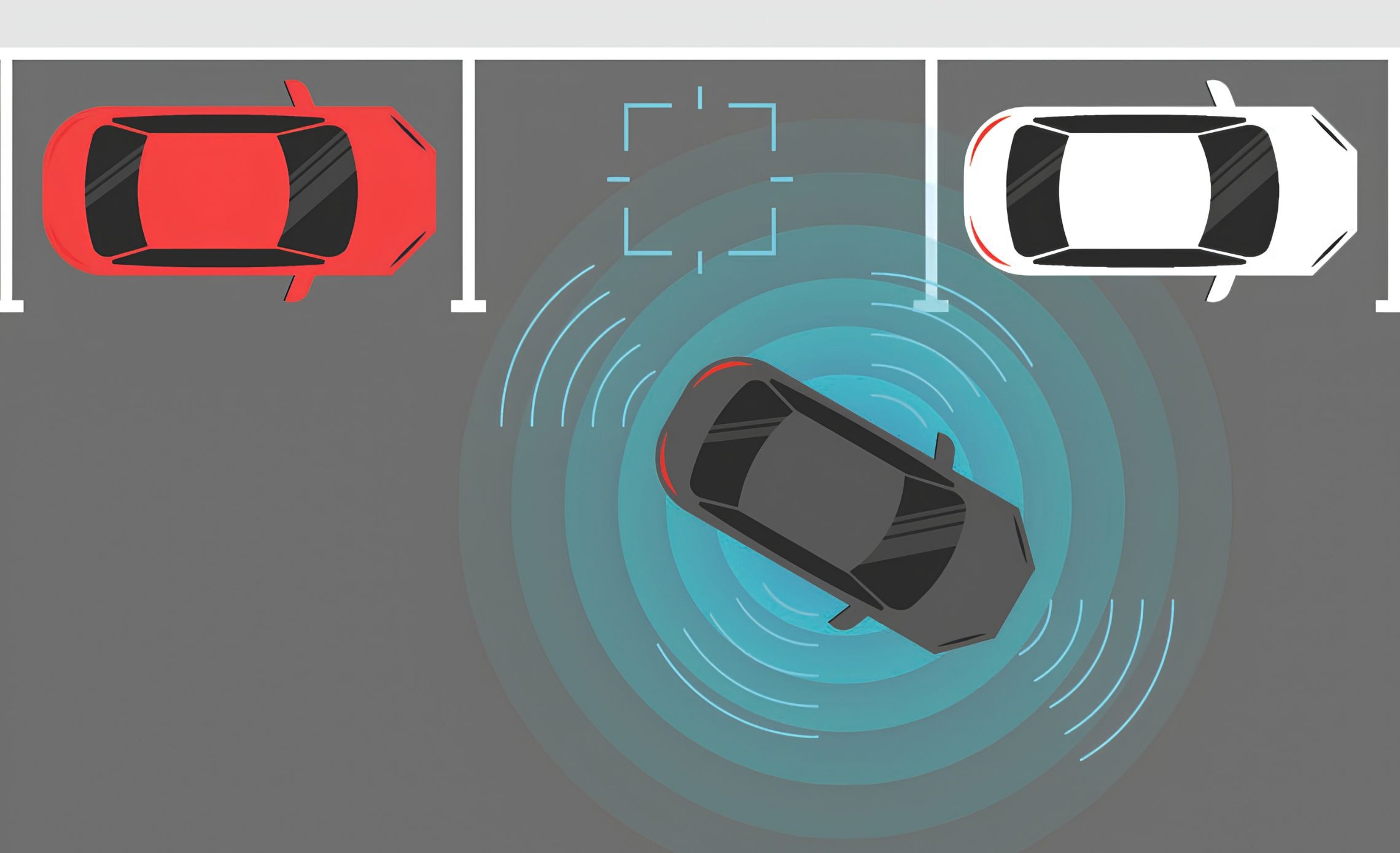
Parking sensors are small devices fitted into the front or rear bumper. Using ultrasonic technology, they detect nearby objects and alert the driver as the vehicle approaches them.
Most rear parking sensors use a series of audible beeps. When you're further away from an obstacle, the beeps are slower. As you get closer, they become progressively faster until you're met with a continuous tone. If you're reversing into a space where a low wall isn't clearly visible through the rear window or mirrors, the sensors can provide an additional warning.
The system doesn't replace your eyes or mirrors. It provides another source of information when judging the available space.
Why older cars can benefit
If your car is 10 to 15 years old, it may not have some of the driver-assistance technology now commonly fitted to newer vehicles. That doesn't necessarily mean replacing the car is the best option.
A parking sensor retrofit can add useful technology without changing the vehicle itself. The upgrade can be particularly helpful if you've moved from a smaller car to an SUV, van or another larger vehicle where judging the extremities is more difficult.
Sensors can also be useful if you regularly park in:
- Narrow residential driveways
- Supermarket and multi-storey car parks
- Tight garages
- Busy urban streets
- Spaces where low obstacles are difficult to see
The main benefit is having greater awareness of obstacles that may not be immediately visible from the driver's seat.
Are front parking sensors worth considering?
Rear sensors are often the first choice, although front sensors can also be useful depending on the vehicle.
The front corners of larger cars, SUVs and vans can be difficult to judge from the driver's seat, particularly where there is a long bonnet or restricted forward visibility. Front sensors can provide an additional warning when edging towards a wall, garage or another vehicle.
A smaller car with good visibility may only need rear parking sensors. Drivers who regularly manoeuvre larger vehicles in restricted spaces may benefit from sensors at both ends.
Can parking sensors help prevent damage?
One reason drivers choose sensors is the potential cost of even a minor parking mistake.
A bumper scrape, damaged trim or cracked light can result in a repair bill. Research by the Insurance Institute for Highway Safety found that vehicles fitted with both rear parking sensors and a rear-view camera had a 42% lower rate of police-reported parking crashes than comparable vehicles without the technology.
The technology cannot prevent every collision. Drivers should still check their surroundings carefully before moving.
The convenience is another consideration. A clearer indication of how much space remains can make manoeuvring less stressful, particularly when parking in an unfamiliar vehicle or a confined area.
Can parking sensors be added to an older car?
A quality parking sensor installation can be added to many older vehicles by an experienced retrofit expert. The exact process depends on the vehicle and system selected.
Sensor positioning is particularly important because the sensors need to detect obstacles accurately without being affected unnecessarily by the road surface or other parts of the vehicle. A properly fitted system can also be integrated neatly into the vehicle, making an aftermarket installation much less noticeable than some drivers might expect.
Professional installation or DIY?
There are plenty of inexpensive sensor kits available, making a DIY installation seem appealing but fitting the sensors is only part of the job. Their positioning, angle, wiring and calibration all affect how consistently the system works. A professional installation can ensure the system is suited to the vehicle rather than relying on a generic setup.
For a car you intend to keep for several more years, a well-fitted system can be a practical upgrade without the expense of changing vehicles.
Are parking sensors worth it?
Parking sensors aren't a substitute for careful driving, but a parking sensor retrofit can be a straightforward way to make daily manoeuvring easier and give you greater awareness of obstacles around the vehicle.