Vehicle theft remains a serious concern across the UK as criminals adopt increasingly sophisticated methods. From keyless entry break-ins to organised crime, the risks have evolved considerably over the past decade.
Many motorists are understandably looking for ways to safeguard one of their most valuable possessions. As a result, the demand for security solutions that have been independently tested and recognised by insurers has grown significantly.
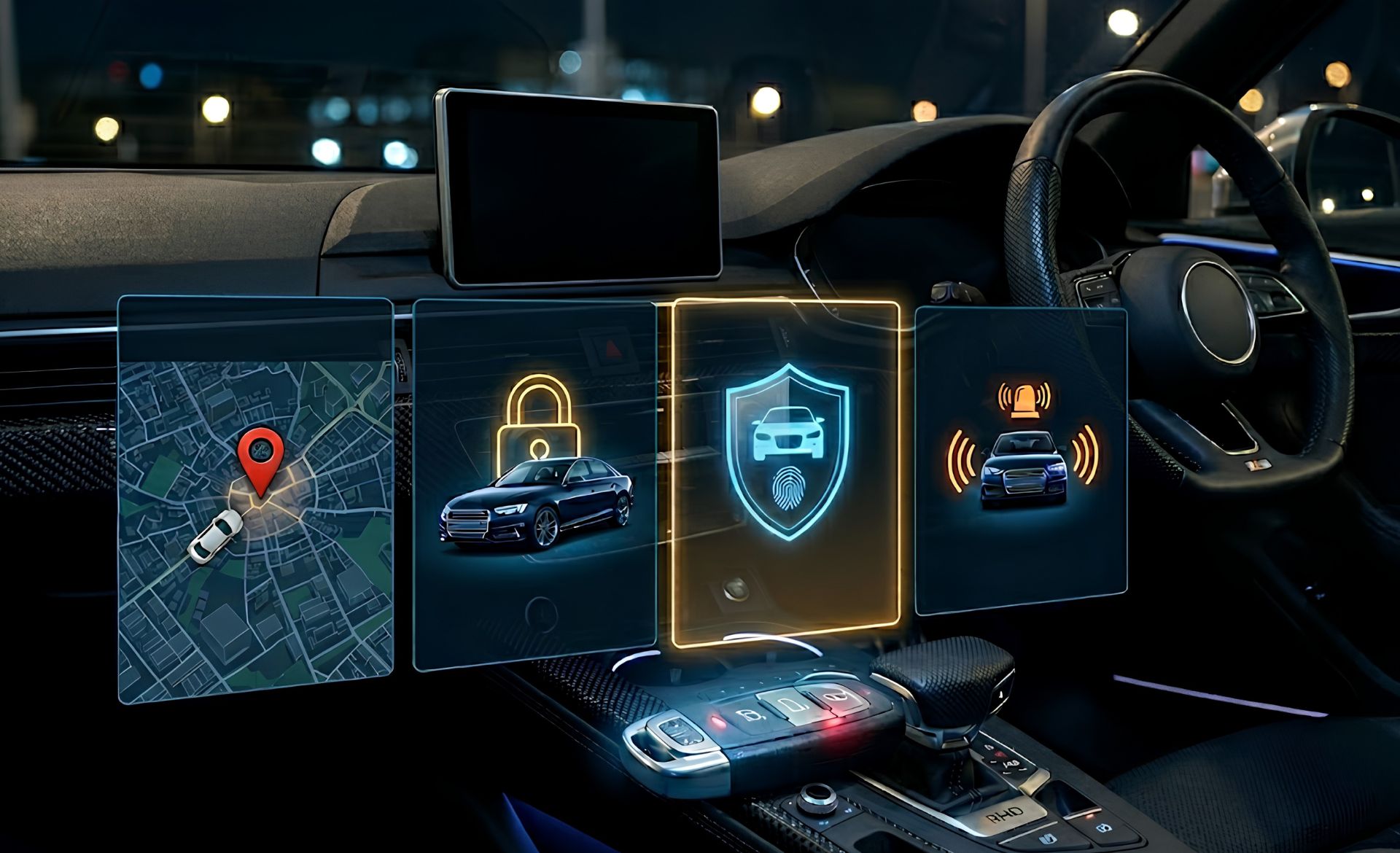
© AI Generated
With various systems and different levels of protection on offer, understanding what genuinely works isn't always straightforward. This is where Thatcham Research plays an important role.
What is Thatcham Research?
An independent testing organisation, Thatcham helps consumers and insurers assess the effectiveness of vehicle security devices. Through rigorous evaluations and recognised categories, it provides reassurance that approved systems meet robust industry standards. The UK’s only not-for-profit intelligence body targeting car crime has shaped safety and security standards for over 50 years. Founded and funded by the insurance industry in 1969 in response to rising theft rates and costly claims, it was created to reduce the financial impact of crime.
Although many people refer to a "Thatcham device", the organisation does not manufacture products itself. Instead, it tests and approves products developed by other companies. Its influence extends across both the automotive and insurance sectors, with manufacturers and insurers often relying on its standards when assessing risk and setting premiums.
Choosing a Thatcham approved immobiliser also reassures owners that the product has met recognised standards, rather than relying on unverified claims. Similarly, a Thatcham approved tracker offers confidence that the technology has satisfied strict criteria relating to effectiveness and reliability. For owners of prestige vehicles, specialist models or commercial fleets, this additional reassurance can be particularly valuable.
Beyond theft prevention, they also carry out crash testing and vehicle repair research, though its role in certifying security products remains its most recognisable contribution.
How does Thatcham approval work?
They assess whether security devices perform effectively in real-world conditions. Products undergo testing to evaluate reliability, resistance to tampering, and their ability to deter or prevent theft. Only those that meet strict requirements receive official certification.
This independent approach removes manufacturer bias. Rather than relying on marketing claims, motorists can trust that approved systems have been objectively tested against recognised standards.
Why do Thatcham standards matter?
For insurers, these ratings offer a practical way to judge how much protection a vehicle has. For consumers, they provide clarity in what can otherwise be a crowded marketplace. Insurers recognise that approved devices have undergone thorough testing. As a result, vehicles fitted with suitable systems may be viewed as lower risk.
In some cases, this can contribute to lower insurance premiums, although individual policies and providers will vary. It’s always worth discussing any fitted security measures with your insurer to understand whether discounts apply.
Ultimately, Thatcham approval represents trust, signalling that a product has been scrutinised by experts and judged capable of delivering meaningful protection. One of the most useful aspects is its categorisation system, making it easier to understand the level and type of protection a device provides.
Category 1: alarm and immobiliser combination
This combines two forms of protection within a single setup: an alarm and an electronic immobiliser. The alarm acts as both a deterrent and an alert mechanism. If unauthorised access is attempted, it can trigger audible warnings and draw attention to suspicious activity.
Alongside this, the immobiliser prevents the vehicle from being started without the correct authorisation. Together, these functions provide comprehensive protection before and after a theft attempt occurs.
Many modern vehicles come equipped with this setup as standard, making it particularly attractive from an insurance perspective.
Category 2: electronic immobilisers
These focus solely on immobilisation, preventing the engine from starting unless the correct key, transponder or authentication method is present. While they do not include an alarm function, they remain highly effective at disrupting theft attempts.
For motorists seeking straightforward protection against unauthorised use, they this is the valuable reassurance you’re looking for.
Category 3: security marking and passive protection
These centre on identification and passive deterrence measures, such as security marking systems that make vehicle components easier to trace and less attractive to thieves. Visible markings can discourage criminal activity by increasing the likelihood of detection and recovery. While they may not physically prevent theft in the same way as electronic systems, they still form an important layer within a broader security strategy.
Category 4: tracking systems
These relate to vehicle tracking technologies designed to help locate and recover stolen vehicles after an incident has occurred. By transmitting location data, they can significantly improve the chances of recovery.
Tracking solutions have become increasingly relevant as theft techniques evolve, particularly for higher-value vehicles and commercial fleets.
Alarms, immobilisers and trackers: working together
Although these terms are often mentioned together, they each serve distinct purposes. An alarm is designed to deter thieves and alert nearby people if someone attempts to gain unauthorised access. An immobiliser, rather than sounding an alert, prevents the engine from starting unless the correct credentials are detected. Even if someone gains entry to the vehicle, they can’t drive away. Trackers come into play if a theft has already taken place. They help identify the vehicle's location, improving the likelihood that it can be recovered quickly.
Motorists can choose protection that aligns with their circumstances and priorities, although many have all three systems fitted to complement each other.
Professional guidance makes a difference
Factors such as vehicle type, usage patterns, parking arrangements and insurance requirements can all influence the most appropriate choice.
Experienced providers and retrofit experts, such as Autologics, can add real value. Rather than taking a one-size-fits-all approach, we support customers by assessing individual needs and recommending suitable products, including Thatcham-approved options. Professional installation ensures systems function correctly and integrate seamlessly with the vehicle. Our focus remains on informed decision making, rather than simply choosing the most advanced or expensive option available.
Making smarter choices
Vehicle security standards matter more today than ever before. With theft methods continuing to evolve, relying on independently tested solutions provides an extra level of confidence for motorists across the UK.
Thatcham Research has earned its reputation by helping consumers and insurers distinguish between products that merely function adequately and those that have demonstrated their effectiveness through rigorous assessment.
Whether you're considering an alarm, an immobiliser, a tracking system or a combination of technologies, understanding the categories can make the decision process considerably clearer.