Modern car theft is quieter, faster and often invisible. Keyless entry systems, once seen as a convenience, have opened the door to new techniques like relay attacks, key cloning and hacking.
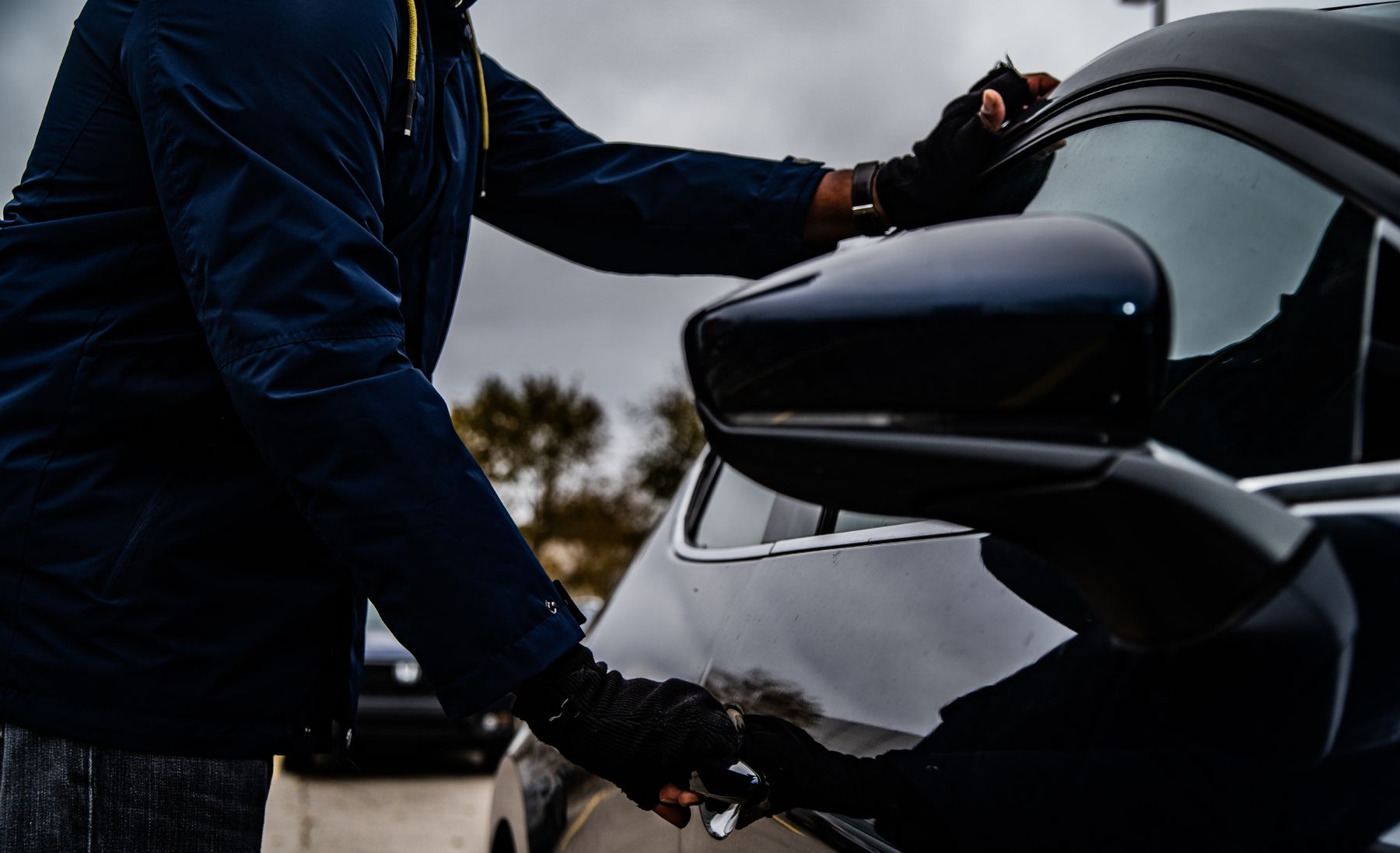 © FPSecurity / Shutterstock.com
Recent figures show more than 54,000 vehicles were reported stolen across the UK in 2025. That works out at roughly 150 cars a day. In other words, this isn’t a rare occurrence - and it doesn’t just affect high-end vehicles.
While modern cars do come with built-in security systems, they aren’t always enough to stop determined thieves using increasingly sophisticated methods. Adding an extra layer of protection has become a practical step for many drivers who want to stay one step ahead.
What is an immobiliser?
Quite simply, it’s a security device that prevents your car from starting unless the correct conditions are met. Most modern vehicles already have a factory immobiliser built in, usually linked to the key or keyless fob. When you insert the key or press the start button, the car checks for a coded signal. If it matches, the engine starts. If it doesn’t, the car stays put.
The problem is, thieves have found ways around these systems. Relay attacks, for example, allow criminals to capture the signal from your key inside your home and transmit it to your car outside, effectively tricking it into thinking the key is present. Key cloning and hacking tools can also replicate or override signals, making factory systems less reliable than they once were.
Advanced immobilisers add an extra layer of authentication. In many cases, this involves entering a unique sequence using buttons already inside your car, such as those on the steering wheel or dashboard. Without that sequence, the engine simply won’t start, even if someone has your key.
It’s a subtle but powerful shift in how vehicle security works. Rather than focusing on keeping thieves out, it focuses on making the car unusable even if they get in.
Why modern car theft demands modern protection
Car theft in the UK has evolved significantly, with organised groups targeting specific vehicles. London, the West Midlands and Greater Manchester consistently rank among the highest regions for vehicle theft. These areas combine high population density with large numbers of desirable vehicles, making them attractive targets. However, no area is completely immune, and even quieter towns have seen an increase in thefts linked to keyless systems.
Topping the list of most stolen marques is the Ford Fiesta, with more than 3,500 thefts recorded. With around 1.4 million still on UK roads, there’s a huge pool for thieves to target, along with a strong demand for spare parts. Older models, particularly those built between 2008 and 2017, are most at risk.
The Volkswagen Golf has been a staple of UK roads for decades; a mix of practicality and premium feel makes it highly desirable, not just for buyers, but also for criminals. Interestingly, it’s the 2013–2020 versions that are most frequently targeted, likely due to their balance of value and vulnerability.
With more than a million on the road, the Ford Focus is an easy target, particularly older fourth-generation models. Despite improved security in newer versions, thefts still occur.
The Toyota RAV4 has also seen a notable rise in thefts. More than 1,300 were taken in 2025, with the majority being newer models from 2019 onwards. Its popularity in the hybrid SUV market and strong resale demand makes it attractive to organised crime groups.
The BMW ranks fifth. Known for its performance and premium appeal, it’s long been a favourite among thieves. Older versions from 2012 to 2019 are most targeted, although newer plug-in hybrid variants are also increasingly at risk.
Why choose a Ghost 2 immobiliser over traditional alarms?
Traditional car alarms tend to focus on drawing attention when something goes wrong, but many people have become desensitised to alarm sounds, especially in busy areas. A car alarm going off doesn’t always lead to action.
A more modern approach focuses on prevention rather than reaction. Instead of making noise, systems like the Autowatch Ghost 2 work silently in the background. There are no visible indicators, no extra fobs and no signals that can be intercepted. From the outside, there’s nothing to suggest the system is even there.
This discreet design is one of its biggest strengths: if a thief can’t see or detect a security system, they can’t easily plan around it. Even if they manage to access the vehicle using a cloned key or relay device, they won’t be able to start it without the correct input sequence. In most cases, that’s enough to make them abandon the attempt and move on.
Another advantage is how well this type of immobiliser integrates with modern vehicles. It works with the car’s existing controls, meaning there’s no need for additional hardware cluttering the interior.
Insurance and peace of mind
While having an immobiliser fitted doesn’t automatically guarantee lower premiums, it can make a difference to your insurance, especially if the system meets recognised security standards.
In the UK, insurers often look for Thatcham-approved devices when assessing vehicle security. Thatcham Research is the automotive risk intelligence organisation that sets standards for security systems and their approval carries weight with insurers. A recognised and approved immobiliser can signal that your vehicle is better protected, which may reduce perceived risk.
Some insurers are now actively encouraging or even requiring additional security measures, particularly for higher risk vehicles or in areas with elevated theft rates. Even where premiums don’t change significantly, there’s still value in knowing your vehicle has an added layer of protection.
Can thieves detect an immobiliser like this?
Ghost systems are designed to be completely hidden: there are no visible components, no LED lights and no external signals. It doesn’t appear on standard diagnostic tools in a way that would immediately give it away.
Operating silently and integrating directly with the vehicle’s systems, it is extremely difficult for thieves to identify. Even if they suspect additional security is present, they need to know exactly what they’re dealing with and how it’s configured, which is highly unlikely in a real-world scenario. This level of invisibility is what sets the Ghost 2 apart from more traditional systems.
A smart fit for modern vehicles
As cars become more connected and technologically advanced, the way we protect them needs to evolve too. Older security methods were designed for older threats, but today’s risks are digital as much as they are physical.
A reliable solution tailored for modern driving, the Autowatch Ghost 2 adds a discreet but highly effective layer of protection that works with the way today’s vehicles are built.